

Are artificial flowers fire-resistant? This is a question that often comes up, especially in settings where safety is a top priority, such as public spaces, commercial establishments, and even in some residential areas. As a supplier of artificial flowers, I've encountered this query numerous times from my customers. In this blog, I'll delve into the topic, exploring the fire resistance of artificial flowers based on scientific facts and industry knowledge.
Understanding the Materials of Artificial Flowers
Artificial flowers are crafted from a variety of materials, each with its own set of properties when it comes to fire. The most common materials include silk, polyester, plastic, and latex.
Silk artificial flowers are known for their soft texture and realistic appearance. Silk is a natural protein fiber, and while it is not highly flammable on its own, it can catch fire relatively easily when exposed to an open flame. Once ignited, silk can burn steadily, releasing heat and potentially spreading the fire.
Polyester is a synthetic fiber widely used in the production of artificial flowers. It has a higher melting point compared to silk, which means it takes more heat to start a fire. However, when polyester does catch fire, it can melt and drip, which can cause the fire to spread to other areas.
Plastic artificial flowers are made from different types of plastics, such as PVC (polyvinyl chloride) and polyethylene. PVC contains chlorine, which gives it some degree of fire resistance. It can be formulated to be self-extinguishing, meaning it will stop burning once the ignition source is removed. Polyethylene, on the other hand, is more flammable and can burn rapidly when exposed to fire.
Latex artificial flowers are made from natural or synthetic rubber. Latex is highly flammable and can burn quickly, releasing toxic fumes in the process.
Fire Resistance Ratings and Standards
In many countries, there are specific fire resistance ratings and standards for materials used in public and commercial spaces. These ratings help consumers and businesses determine the safety of a product in case of a fire. For artificial flowers, the most relevant standard is often the flammability rating.

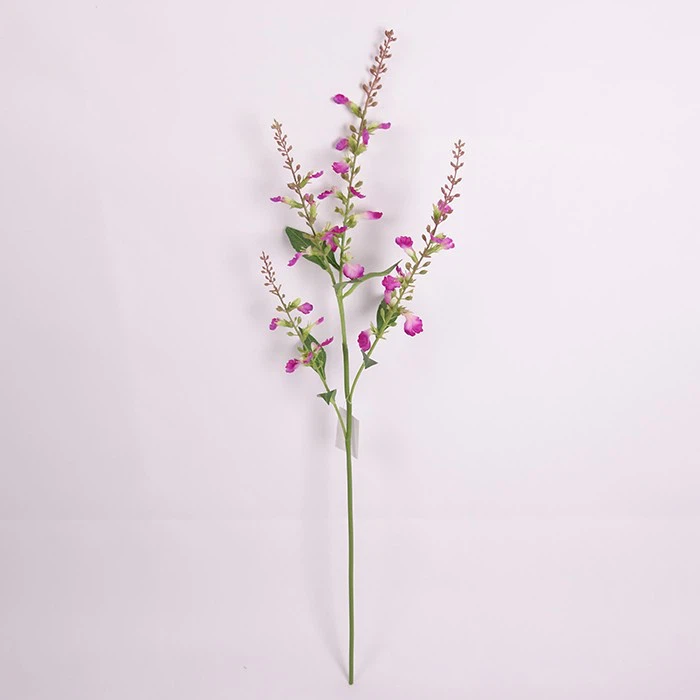
The National Fire Protection Association (NFPA) in the United States has developed a rating system for materials based on their flammability. Materials are classified into different categories, such as Class A, B, and C, with Class A being the most fire-resistant and Class C being the least. Artificial flowers that meet the Class A rating are considered to have excellent fire resistance and are suitable for use in high-risk areas.
In Europe, the EN 13501-1 standard is used to classify the fire performance of construction products, including artificial flowers. This standard assesses the reaction to fire of a material, taking into account factors such as ignition, flame spread, and the release of heat and smoke.
Factors Affecting Fire Resistance
Several factors can affect the fire resistance of artificial flowers. One of the most important factors is the treatment or coating applied to the flowers. Some manufacturers apply fire retardant coatings to their artificial flowers to improve their fire resistance. These coatings work by releasing chemicals that inhibit the combustion process, either by reducing the oxygen available for the fire or by forming a protective layer on the surface of the material.
The design and construction of the artificial flowers can also impact their fire resistance. For example, flowers with a dense structure or a large amount of material may burn more slowly than those with a more open or airy design. Additionally, the way the flowers are arranged and displayed can affect how quickly a fire spreads. If the flowers are tightly packed together, the fire may spread more easily through the mass of material.
Safety Considerations for Consumers
When purchasing artificial flowers, it's important for consumers to consider the fire resistance of the products. If you're using artificial flowers in a public or commercial space, it's essential to choose flowers that meet the relevant fire safety standards. Look for products that have been tested and certified by a recognized testing agency.
In a residential setting, while the risk of fire may be lower, it's still a good idea to take precautions. Avoid placing artificial flowers near open flames, such as candles or fireplaces. Keep the flowers away from heat sources, such as radiators or heaters, as excessive heat can increase the risk of ignition.
Our Products and Fire Resistance
As a supplier of artificial flowers, we take fire safety very seriously. We offer a wide range of artificial flowers, including Real-touch Artificial Flowers, Artificial Wild Flowers, and Artificial Blossom Branches. Many of our products are treated with fire retardant coatings to enhance their fire resistance.
We work closely with our manufacturers to ensure that our artificial flowers meet the highest quality and safety standards. Our products are regularly tested to ensure compliance with the relevant fire safety regulations. Whether you're looking for artificial flowers for a home decoration project or for a commercial installation, you can trust that our flowers are designed with safety in mind.
Conclusion
In conclusion, the fire resistance of artificial flowers depends on several factors, including the materials used, the treatment applied, and the design of the flowers. While some materials are more fire-resistant than others, it's important to choose artificial flowers that meet the relevant fire safety standards. As a supplier, we are committed to providing our customers with high-quality, fire-resistant artificial flowers.
If you're interested in purchasing artificial flowers for your project, we invite you to contact us for more information. Our team of experts can help you choose the right products based on your specific needs and requirements. We look forward to working with you and helping you create beautiful and safe floral arrangements.
References
- National Fire Protection Association (NFPA). (2023). NFPA 701: Standard Methods of Fire Tests for Flame Propagation of Textiles and Films.
- European Committee for Standardization (CEN). (2018). EN 13501-1: Fire classification of construction products and building elements - Part 1: Classification using data from reaction to fire tests.
