

Hey there! As a supplier of Artificial Chinese Bonsai, I've often been asked if there are any cultural meanings associated with these beauties. Well, let's dive right in and explore this fascinating topic.
First off, let's understand what bonsai is in general. Bonsai is an ancient horticultural art form that originated in China over a thousand years ago. It later spread to Japan and other parts of the world. The word "bonsai" itself comes from the Japanese language, but the art has its roots in Chinese culture. In China, it was initially known as "penjing," which combines the elements of a tray (pen) and a landscape (jing).
Real Chinese bonsais are not just plants; they are living works of art that carry deep cultural and philosophical meanings. They represent harmony, balance, and the unity of man and nature. Chinese artists use techniques like pruning, wiring, and shaping to create miniature trees that mimic the grandeur of full - sized trees in nature. These bonsais are often seen as symbols of longevity, as they can be cared for and passed down through generations.
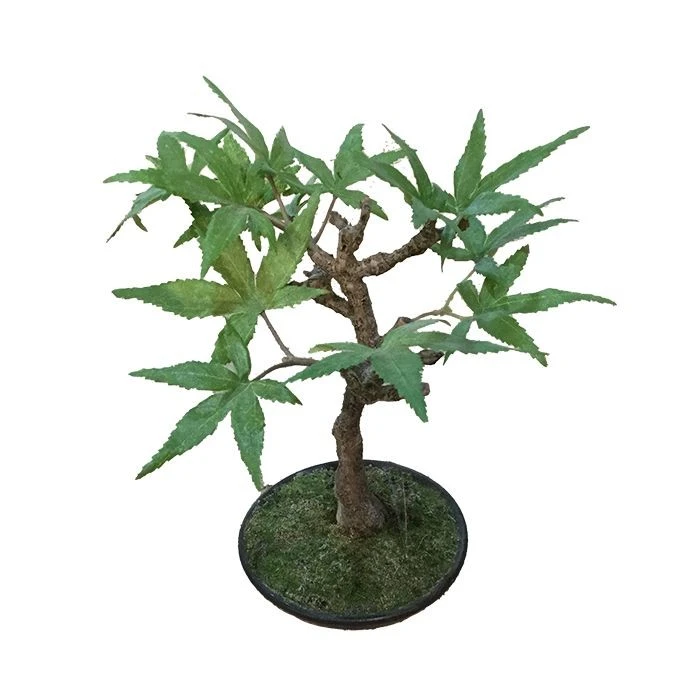
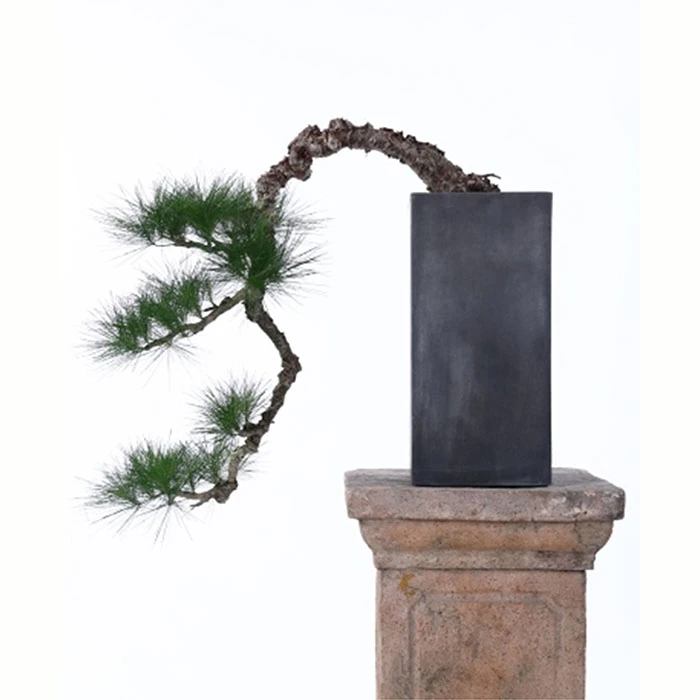
Now, what about artificial Chinese bonsais? Do they carry the same cultural significance? Well, in a way, they do. Even though they are not living plants, they still capture the essence of the traditional Chinese bonsai art. They are crafted to replicate the look and style of real bonsais, with all the carefully designed branches, leaves, and trunks.
One of the key cultural meanings associated with artificial Chinese bonsais is the idea of bringing nature indoors. In Chinese culture, there is a strong connection between humans and the natural world. By having an artificial Chinese bonsai in your home or office, you can create a sense of tranquility and harmony, just like having a piece of nature right there with you. It's a way to escape the hustle and bustle of modern life and connect with the peaceful and serene aspects of nature.
Another important cultural aspect is the representation of prosperity. In Chinese symbolism, certain types of trees used in bonsai, like the pine tree, are associated with good fortune and prosperity. An artificial Chinese bonsai featuring a pine tree can be seen as a token of hope for a prosperous future. It can be placed in the entrance of a home or in the workplace to attract positive energy and good luck.
The art of bonsai also reflects the Chinese philosophy of yin and yang. The balance between the tree's roots, trunk, branches, and leaves represents the harmony between different elements. Artificial Chinese bonsais, with their carefully crafted designs, also embody this concept of balance. They can serve as a reminder to maintain a balanced life, both physically and mentally.
Let's compare artificial Chinese bonsais with their Japanese and European counterparts. Japanese bonsais, known as Artificial Japanese Bonsai, have a more minimalist and refined style. They often focus on simplicity and the natural form of the tree. European bonsais, on the other hand, as seen in Artificial European Bonsai, tend to have a more free - flowing and less formal design, influenced by the diverse landscapes and gardening traditions of Europe.
In contrast, artificial Chinese bonsais are characterized by their rich symbolism and elaborate designs. They often incorporate elements like rocks and figurines to create a more complex and meaningful landscape. For example, a small figurine of a sage or a mythical creature can add a touch of Chinese mythology and cultural heritage to the bonsai.
As a supplier of Artificial Chinese Bonsai, I've noticed that these artificial bonsais are becoming increasingly popular for several reasons. Firstly, they require very little maintenance compared to real bonsais. You don't have to worry about watering, pruning, or fertilizing them. This makes them a great option for people who don't have a green thumb or who have a busy lifestyle.
Secondly, they are more durable. Real bonsais are living organisms that can be affected by diseases, pests, and environmental factors. Artificial Chinese bonsais, on the other hand, can last for a long time without losing their beauty. They are made from high - quality materials that are designed to withstand the test of time.
Moreover, artificial Chinese bonsais offer a great deal of flexibility in terms of placement. You can place them in areas where real plants might not thrive, like in low - light environments or in places with extreme temperatures. This allows you to bring the beauty and cultural significance of Chinese bonsai art to any space.
If you're interested in adding an artificial Chinese bonsai to your collection, or if you're a retailer looking to stock these unique products, I'd love to talk to you. These artificial bonsais are not only beautiful decorative items but also carry deep cultural meanings that can enhance any space. Whether you're looking for a gift for a friend or family member, or you want to create a more harmonious and prosperous environment for yourself, an artificial Chinese bonsai is a perfect choice.
So, don't hesitate to reach out and start a conversation about how we can work together. Let's bring the beauty and cultural significance of artificial Chinese bonsais to more people!
References
- "The Art of Bonsai: History, Techniques, and Culture" by John Naka
- "Chinese Symbolism and Art Motifs" by Dorothy Collins
- "Bonsai: The Living Art" by Peter Adams
