

Hey there! I'm an artificial bonsai supplier, and I often get asked this burning question: "Can I use an artificial bonsai in a museum exhibition?" Well, let's dive right into this topic and explore the ins and outs.

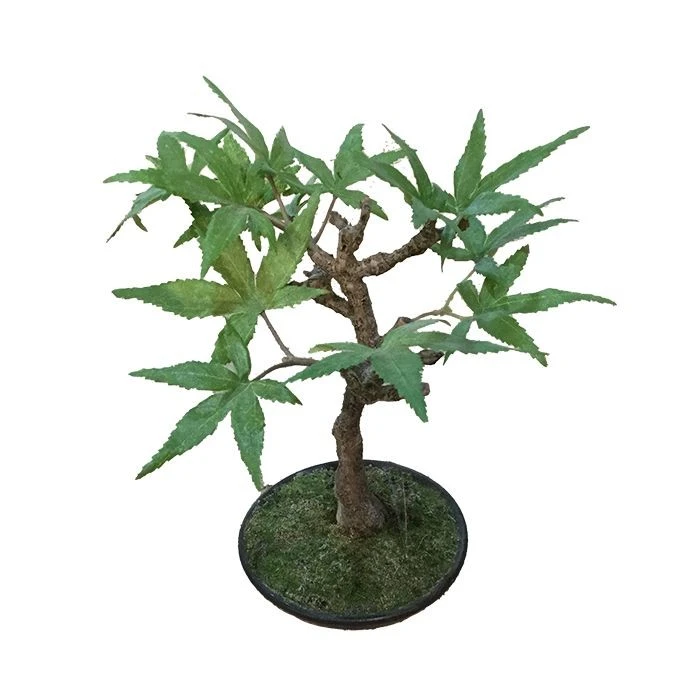
First off, let's talk about what makes artificial bonsais so appealing. As a supplier, I've seen firsthand the many benefits these beauties offer. For starters, they're incredibly low - maintenance. Unlike real bonsais, which need constant watering, pruning, and sunlight, artificial bonsais don't require any of that. You don't have to worry about them dying if you forget to water them for a few days or if they don't get enough sunlight. This is a huge advantage, especially in a museum setting where curators have a lot on their plates and can't afford to spend hours taking care of live plants.
Another great thing about artificial bonsais is their consistency. When you order an artificial bonsai from us, you can expect it to look exactly the same as the product image. The leaves won't turn yellow or fall off, and the branches won't break easily. This means that the aesthetic appeal of the bonsai remains constant throughout the exhibition, ensuring that the display looks great from start to finish.
Now, let's address the elephant in the room: authenticity. Some people might argue that using artificial bonsais in a museum exhibition takes away from the authenticity of the display. After all, museums are supposed to showcase real, historical, or natural artifacts. But here's the thing - artificial bonsais can still play a valuable role in an exhibition. For example, if the exhibition is about the art of bonsai - making, an artificial bonsai can be used to demonstrate different styles and techniques without the risk of damage to a real, valuable bonsai. It can also be used as a visual aid to help visitors understand the concept of bonsai, especially if the real bonsais on display are too delicate to be touched or closely examined.
In addition, artificial bonsais can be a great option for exhibitions that are traveling. Real bonsais can be difficult to transport due to their fragility and the need for special care during transit. Artificial bonsais, on the other hand, are much more durable and can withstand the rigors of travel without losing their shape or color. This makes them a practical choice for museums that want to share their exhibitions with a wider audience.
Let's take a look at some of the different types of artificial bonsais we offer. We have Artificial Bonsai for Museum, which are specifically designed to meet the high - standards of museum exhibitions. These bonsais are made with high - quality materials that mimic the look and feel of real bonsais. They come in a variety of styles and sizes, so you can find the perfect one to fit your exhibition theme.
If you're also thinking about using artificial bonsais for other purposes, we have Artificial Bonsai for Home. These are great for adding a touch of nature to your living space without the hassle of taking care of a real plant. They can be placed in living rooms, bedrooms, or even offices to create a relaxing and inviting atmosphere.
And for those who have a special love for Japanese bonsai culture, we offer Artificial Japanese Bonsai. These bonsais are crafted to replicate the traditional Japanese bonsai styles, with intricate branches and delicate leaves. They can be a great addition to an exhibition that focuses on Japanese art and culture.
When it comes to the installation of artificial bonsais in a museum, it's important to work with professionals. As a supplier, we can provide you with guidance on how to properly display the bonsais to ensure that they look their best. We can also offer advice on lighting, positioning, and how to create a cohesive display with other elements in the exhibition.
Now, I know some of you might be concerned about the cost. While artificial bonsais do require an initial investment, they can actually save you money in the long run. You won't have to spend money on watering, fertilizing, or replacing dead plants. And since they last a long time, you can use them for multiple exhibitions, making them a cost - effective choice.
In conclusion, using an artificial bonsai in a museum exhibition is definitely a viable option. They offer many benefits, including low - maintenance, consistency, and durability. They can also enhance the educational value of an exhibition and make it more accessible to a wider audience. Whether you're a museum curator, an art enthusiast, or someone looking to add a unique touch to your exhibition, our artificial bonsais are a great choice.
If you're interested in learning more about our artificial bonsais or would like to discuss your specific needs for a museum exhibition, don't hesitate to reach out. We're here to help you create the perfect display with our high - quality artificial bonsais.
References
- General knowledge about bonsai art and artificial plant manufacturing.
- Experience as an artificial bonsai supplier.
