

Do artificial ivy vines attract insects? That's a question I've been asked a lot as a supplier of Artificial Ivy Vines. And it's a valid one, especially if you're looking to spruce up your space without inviting unwanted critters. Let's dig into this topic and find out what's what.
First off, let's talk about what artificial ivy vines are. They're basically imitation plants made to look like real ivy. They're super popular for decorating both indoor and outdoor spaces because they're low - maintenance, long - lasting, and always look green and fresh. You don't have to water them, fertilize them, or worry about them dying off in the wrong season.
Now, when it comes to insects, real plants are like a five - star hotel for them. Real ivy provides food, shelter, and a place to lay eggs. The leaves can be a buffet for caterpillars, aphids, and other leaf - munching bugs. The dense foliage offers a cozy hiding spot from predators, and the flowers can attract pollinators like bees and butterflies.
But artificial ivy vines? Well, they're a different story. Since they're made of synthetic materials like plastic, silk, or polyester, they don't have the things that insects are interested in. There's no real plant sap for bugs to suck on, no fresh leaves to chew, and no nectar - filled flowers to pollinate. So, in theory, artificial ivy vines shouldn't attract insects.
However, it's not always that simple. Sometimes, the environment around the artificial ivy can play a role. For example, if you place your artificial ivy in an area where there's a lot of food or moisture for insects, they might still end up hanging around the area. Let's say you put your artificial ivy near a trash can or a leaky pipe. Insects are going to be drawn to the food waste or the water, and they might just end up resting on the artificial ivy while they're in the area.
Another factor is dirt and debris. Over time, dust, pollen, and other small particles can accumulate on the artificial ivy. This can create a false impression of a real plant for some insects. For instance, some tiny mites or dust - loving bugs might be attracted to the dirt on the vines. But this isn't because the artificial ivy itself is appealing; it's just the dirt that's catching their attention.
To keep insects away from your artificial ivy, regular cleaning is key. A quick wipe - down with a damp cloth every now and then can remove the dust and debris that might attract bugs. You can also make sure to place your artificial ivy in a clean, dry area away from sources of food and water for insects.
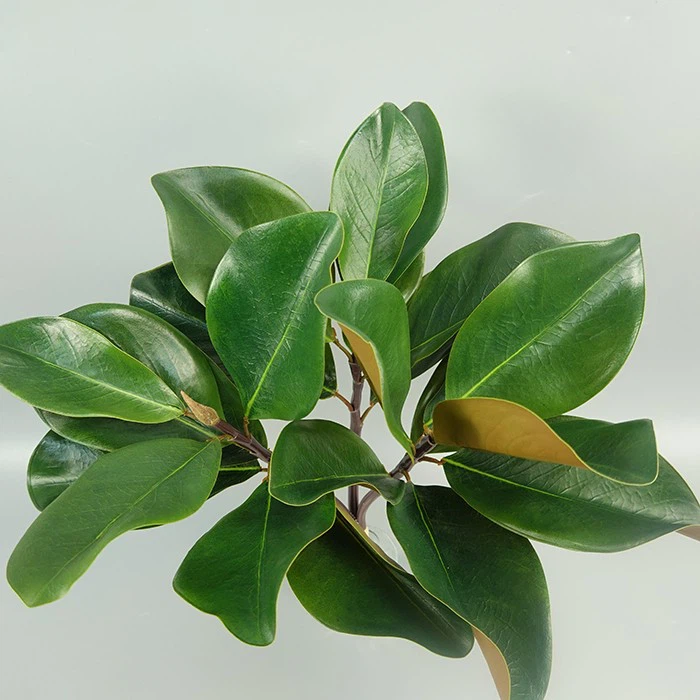
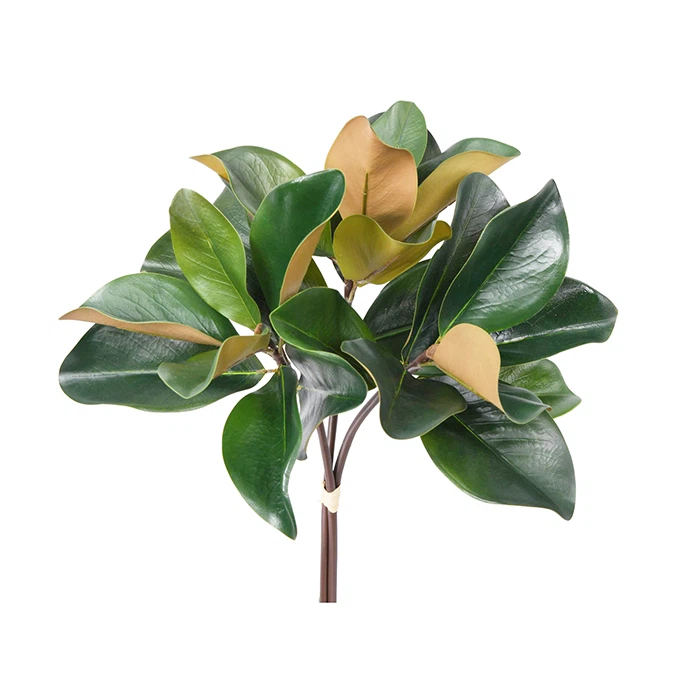
Now, if you're thinking about expanding your artificial plant collection, we also offer a variety of other great products. Check out our Artificial Wreaths for a beautiful and hassle - free way to decorate your doors. Our Artificial Moss Ground Cover is perfect for adding a touch of green to your garden or indoor terrarium. And don't forget about our Artificial Magnolia Foliage, which can bring a touch of elegance to any space.
So, to sum it up, artificial ivy vines generally don't attract insects. But it's important to keep an eye on the environment around them and do some basic cleaning to make sure they stay bug - free.
If you're interested in purchasing our artificial ivy vines or any of our other artificial foliage products, feel free to reach out to start a procurement discussion. We're here to help you find the perfect artificial plants for your needs.
References
- "The Basics of Artificial Plants": A general guide on artificial plants and their care.
- "Insect Behavior and Attraction to Plants": A scientific study on what attracts insects to plants.
