

Do simulated berries lose their color over time? This is a question that often comes up among our customers at our Simulated Berries supply business. As a trusted provider of link text: Artificial Berries for Décor, link text: Real Looking Artificial Berries, and link text: Autumn Artificial Berries, we understand the importance of maintaining the vibrant appearance of our products. In this blog post, we'll delve into the science behind the color stability of simulated berries and provide insights on how to ensure they retain their allure for years to come.
Understanding the Composition of Simulated Berries
Simulated berries are typically made from a variety of materials, including plastic, resin, and fabric. Each material has its own unique properties that can affect the color retention of the berries.
- Plastic Berries: Plastic is a common material used in the production of simulated berries due to its durability and affordability. However, some types of plastic may be prone to fading over time, especially when exposed to direct sunlight or harsh chemicals. High-quality plastic berries are often treated with UV stabilizers to prevent color loss from sun exposure.
- Resin Berries: Resin is a synthetic material that can be molded into intricate shapes and textures, making it a popular choice for creating realistic-looking berries. Resin berries are generally more resistant to color fading than plastic berries, as they have a denser and more uniform structure. However, they may still be affected by prolonged exposure to sunlight or extreme temperatures.
- Fabric Berries: Fabric berries are often used in more delicate or decorative applications, such as floral arrangements or stuffed animals. While fabric berries can add a soft and natural touch to any display, they are more susceptible to color fading and staining than plastic or resin berries. It's important to keep fabric berries away from direct sunlight and moisture to prevent discoloration.
Factors Affecting Color Loss in Simulated Berries
Several factors can contribute to the color loss of simulated berries over time. Understanding these factors can help you take the necessary steps to preserve the appearance of your berries.
- Sunlight Exposure: One of the primary causes of color fading in simulated berries is prolonged exposure to sunlight. Ultraviolet (UV) rays can break down the chemical bonds in the pigments used to color the berries, causing them to lose their vibrancy and fade over time. To minimize the effects of sunlight, it's best to display your simulated berries in areas that are shaded or protected from direct sunlight.
- Temperature and Humidity: Extreme temperatures and high humidity levels can also affect the color stability of simulated berries. Heat can cause the pigments in the berries to break down more quickly, while humidity can lead to mold growth and staining. It's important to store your berries in a cool, dry place to prevent color loss and damage.
- Chemical Exposure: Exposure to certain chemicals, such as cleaning agents, solvents, and pesticides, can also cause the color of simulated berries to fade or change. When cleaning your berries, it's important to use mild, non-abrasive cleaners and avoid harsh chemicals that could damage the surface of the berries.
- Mechanical Wear and Tear: Over time, the surface of simulated berries can become scratched or worn, which can also affect their color. To prevent mechanical damage, it's important to handle your berries with care and avoid placing them in areas where they may be bumped or rubbed against other objects.
Tips for Preserving the Color of Simulated Berries
While it's impossible to completely prevent color loss in simulated berries, there are several steps you can take to minimize its effects and keep your berries looking their best for longer.
- Choose High-Quality Berries: When purchasing simulated berries, it's important to choose high-quality products that are made from durable materials and have been treated with UV stabilizers. Look for berries that are labeled as fade-resistant or UV-protected to ensure they will maintain their color over time.
- Display Berries in Shaded Areas: To minimize the effects of sunlight, it's best to display your simulated berries in areas that are shaded or protected from direct sunlight. You can also use curtains or blinds to block out the sun's rays during the brightest parts of the day.
- Control Temperature and Humidity: Maintaining a stable temperature and humidity level in the area where you display your berries can help prevent color loss and damage. You can use a dehumidifier or air conditioner to control humidity levels and a thermostat to regulate the temperature.
- Clean Berries Regularly: Regular cleaning can help remove dirt, dust, and other debris from the surface of your berries, which can prevent discoloration and staining. When cleaning your berries, use a soft, dry cloth or a mild, non-abrasive cleaner to avoid scratching the surface of the berries.
- Store Berries Properly: When not in use, it's important to store your simulated berries in a cool, dry place to prevent color loss and damage. You can store them in a plastic container or a storage bag to protect them from dust and moisture.
Conclusion
In conclusion, while simulated berries may lose their color over time, there are several steps you can take to minimize its effects and keep your berries looking their best for longer. By understanding the factors that affect color loss in simulated berries and following the tips outlined in this blog post, you can ensure that your berries will maintain their vibrant appearance and add a touch of beauty to your home or business for years to come.
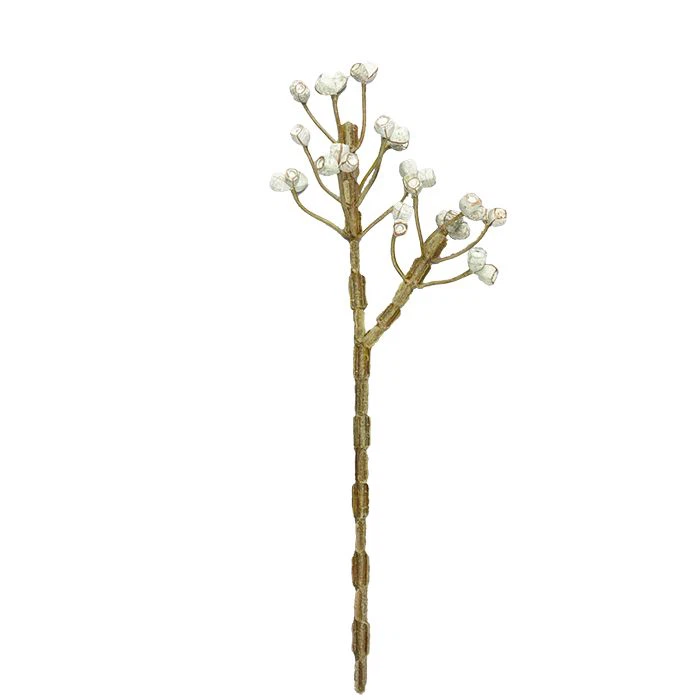
If you're interested in purchasing high-quality simulated berries for your next project, we invite you to explore our extensive collection of link text: Artificial Berries for Décor, link text: Real Looking Artificial Berries, and link text: Autumn Artificial Berries. Our team of experts is always available to answer your questions and help you find the perfect berries for your needs. Contact us today to learn more about our products and how we can assist you with your purchase.

References
- "Color Fading in Plastics: Causes and Prevention." Plastics Technology, [Publication Date].
- "UV Stabilization of Polymeric Materials." Polymer Degradation and Stability, [Publication Date].
- "The Effects of Temperature and Humidity on Textile Color Fastness." Journal of Textile Science and Engineering, [Publication Date].
