

Hey there! As a supplier of simulated berries, I've been getting a lot of questions lately about how these faux fruits stack up against the real deal when it comes to taste. It's a fair question, especially since taste is such a big part of the berry - loving experience. So, let's dive right in and explore the differences and similarities between simulated and real berries.
Real Berries: A Taste of Nature
First off, let's talk about real berries. When you bite into a fresh strawberry, blueberry, or raspberry, you're getting a taste of nature in its purest form. Real berries are packed with natural sugars, acids, and aromatic compounds that give them their unique flavors. For example, strawberries have a sweet - tart balance with a hint of floral aroma. The sugar content in strawberries can vary depending on the variety and ripeness, but on average, they're about 4 - 6% sugar. This natural sweetness is complemented by the acidity from citric and malic acids, which gives strawberries that refreshing tartness.
Blueberries, on the other hand, have a more complex flavor profile. They're sweet, but also have earthy and slightly bitter undertones. The antioxidants in blueberries, like anthocyanins, not only give them their deep blue color but also contribute to their flavor. These antioxidants have a slightly astringent quality, which adds to the overall taste experience.
Raspberries are known for their delicate, sweet - tart flavor. They have a high water content, which makes them juicy and refreshing. The aroma of raspberries is very distinct and is often described as floral and fruity. The combination of the natural sugars, acids, and volatile compounds in raspberries creates a flavor that's hard to resist.
Simulated Berries: A Different Kind of Taste
Now, let's turn our attention to simulated berries. Simulated berries are designed to mimic the appearance of real berries, but when it comes to taste, it's a whole different ballgame. Most simulated berries are made from materials like plastic, resin, or wax, which obviously don't have any natural flavor. However, some manufacturers add flavorings to give the berries a taste that resembles real berries.
The flavorings used in simulated berries can range from natural extracts to artificial flavors. Natural extracts are derived from real berries or other natural sources and can provide a more authentic taste. For example, a simulated strawberry might be flavored with strawberry extract, which can capture some of the natural sweetness and aroma of real strawberries. Artificial flavors, on the other hand, are created in a lab to mimic the taste of real berries. These flavors can be very similar to the real thing, but they might lack the complexity and depth of flavor that natural berries have.
One of the advantages of simulated berries is that the taste can be more consistent. Real berries can vary in flavor depending on factors like the growing conditions, ripeness, and variety. With simulated berries, the flavor is engineered to be the same every time. This can be beneficial for applications where a consistent taste is required, such as in food displays or in products where the taste needs to be predictable.
Comparing the Taste
When it comes to comparing the taste of simulated berries to real berries, it really depends on your expectations. If you're looking for the authentic, fresh - picked taste of real berries, then simulated berries are likely to fall short. Real berries have a depth of flavor and a freshness that's hard to replicate. The natural sugars, acids, and aromatic compounds in real berries work together to create a complex and dynamic taste experience that's unique to each type of berry.
However, if you're using simulated berries for a specific purpose where the taste doesn't need to be exactly like real berries, then they can be a great alternative. For example, in some food displays, the main goal is to create an attractive visual presentation. In this case, the taste of the simulated berries might not be as important as their appearance. Simulated berries can also be used in products where a mild, consistent berry flavor is desired, such as in some candies or desserts.

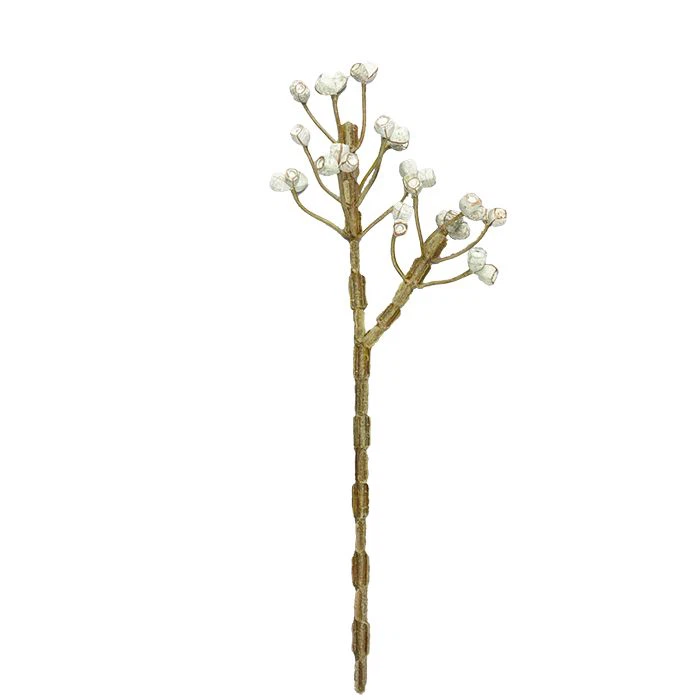
Our Simulated Berries
At our company, we offer a wide range of simulated berries that are not only visually appealing but also have a great taste. Our Artificial Berries for Décor are perfect for adding a touch of color and realism to any display. They're made from high - quality materials and are designed to look and feel like real berries.
We also have Fire Proof Artificial Berries, which are ideal for use in environments where fire safety is a concern. These berries are treated with special fire - retardant chemicals to ensure they meet safety standards.
And if you're looking for berries that are perfect for the autumn season, our Autumn Artificial Berries are just what you need. They come in warm, earthy colors and have a taste that's reminiscent of the flavors of fall.
Why Choose Our Simulated Berries?
There are several reasons why you might want to choose our simulated berries. Firstly, our berries are made from high - quality materials that are durable and long - lasting. They won't wilt or rot like real berries, so you can enjoy them for a long time. Secondly, we use the latest technology and techniques to create berries that look and taste as realistic as possible. Our flavorings are carefully selected to provide a taste that's similar to real berries without being overpowering.
Finally, we offer a wide range of customization options. Whether you need berries in a specific color, size, or flavor, we can work with you to create the perfect product for your needs.
Contact Us for Purchasing
If you're interested in purchasing our simulated berries, we'd love to hear from you. Whether you're a retailer looking to add some unique products to your store, an event planner in need of beautiful decorations, or a food manufacturer wanting to use our berries in your products, we can provide you with the best simulated berries on the market. Just reach out to us to start a discussion about your requirements, and let's work together to find the perfect solution for you.
References
- "The Science of Berry Flavor," Journal of Food Science, Vol. 78, Issue 2.
- "Natural and Artificial Flavors in Food Products," Food Technology Magazine, Vol. 65, Issue 3.
