

Maintaining the pristine appearance of artificial bonsai is essential for both aesthetic and longevity purposes. As a leading supplier of artificial bonsai, I understand the importance of providing customers with the knowledge and tools to keep their decorative pieces looking as good as new. In this blog post, I will share a comprehensive guide on how to clean an artificial bonsai, ensuring it retains its beauty for years to come.
Understanding Your Artificial Bonsai
Before diving into the cleaning process, it's crucial to understand the materials used in your artificial bonsai. Different materials may require different cleaning methods to avoid damage. Most artificial bonsai are made from a combination of plastic, silk, and resin, each with its own cleaning requirements.
- Plastic Leaves and Branches: Plastic is a durable material that can withstand regular cleaning. However, it is important to avoid using abrasive cleaners that may scratch the surface.
- Silk Foliage: Silk leaves are more delicate and require gentle cleaning to prevent damage. Avoid using harsh chemicals or scrubbing too vigorously.
- Resin Trunks and Pots: Resin is a hard, durable material that can be cleaned with mild soap and water. However, be careful not to soak the resin for too long, as it may cause damage.
Tools and Supplies Needed
To clean your artificial bonsai effectively, you will need the following tools and supplies:
- Soft-bristled Brush: A soft-bristled brush, such as a paintbrush or makeup brush, is ideal for removing dust and debris from the leaves and branches.
- Microfiber Cloth: A microfiber cloth is gentle on the surface of the artificial bonsai and can be used to wipe away dirt and dust.
- Mild Soap: A mild soap, such as dish soap or baby shampoo, can be used to clean the artificial bonsai. Avoid using harsh chemicals or abrasive cleaners.
- Water: Clean, lukewarm water is all you need to clean your artificial bonsai. Avoid using hot water, as it may damage the materials.
- Spray Bottle: A spray bottle can be used to apply the cleaning solution to the artificial bonsai.
Step-by-Step Cleaning Process
Now that you have gathered the necessary tools and supplies, it's time to start cleaning your artificial bonsai. Follow these steps for a thorough cleaning:
Step 1: Remove Loose Dust and Debris
Start by using a soft-bristled brush to gently remove any loose dust and debris from the leaves and branches of the artificial bonsai. Work from the top down, using light strokes to avoid damaging the foliage. Pay special attention to the areas where the leaves meet the branches, as these areas tend to collect the most dust.
Step 2: Prepare the Cleaning Solution
Fill a spray bottle with lukewarm water and add a small amount of mild soap. Mix the solution well until the soap is completely dissolved.
Step 3: Spray the Cleaning Solution
Hold the spray bottle about 6-8 inches away from the artificial bonsai and spray the cleaning solution evenly over the leaves and branches. Be sure to cover all areas of the bonsai, including the undersides of the leaves.
Step 4: Wipe the Leaves and Branches
After spraying the cleaning solution, use a microfiber cloth to gently wipe the leaves and branches of the artificial bonsai. Start at the top and work your way down, using a circular motion to remove the dirt and grime. Be careful not to apply too much pressure, as this may damage the foliage.
Step 5: Rinse the Artificial Bonsai
Once you have wiped the leaves and branches with the microfiber cloth, rinse the artificial bonsai thoroughly with clean, lukewarm water. Use a spray bottle or a gentle stream of water from the faucet to ensure that all of the cleaning solution is removed.
Step 6: Dry the Artificial Bonsai
After rinsing the artificial bonsai, use a clean microfiber cloth to gently pat it dry. Avoid rubbing the foliage, as this may cause damage. Once the artificial bonsai is mostly dry, place it in a well-ventilated area to air dry completely.
Cleaning Specific Types of Artificial Bonsai
In addition to the general cleaning process outlined above, some types of artificial bonsai may require special attention. Here are some tips for cleaning specific types of artificial bonsai:
Artificial Japanese Bonsai
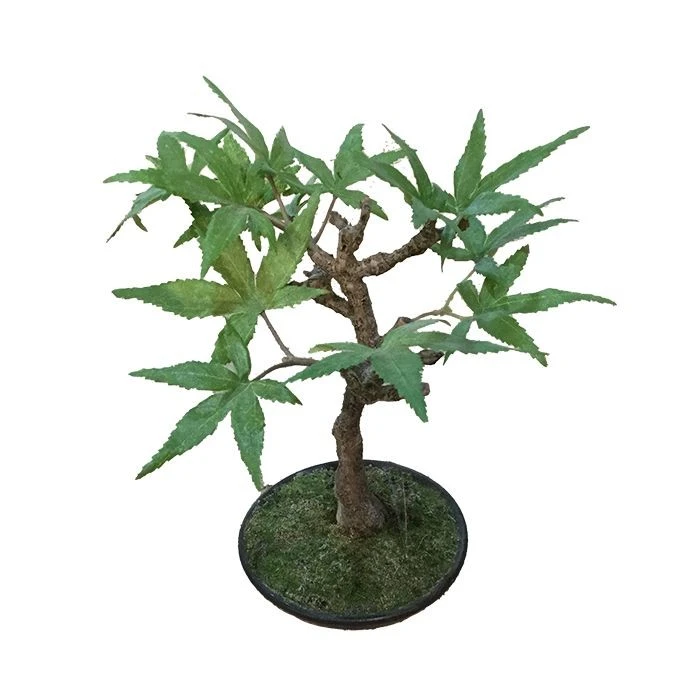
Japanese bonsai are known for their intricate designs and delicate foliage. To clean an Artificial Japanese Bonsai, follow the general cleaning process outlined above, but be extra careful when handling the leaves and branches. Use a soft-bristled brush to gently remove any dust and debris, and avoid using too much pressure when wiping the foliage.
Artificial Chinese Bonsai
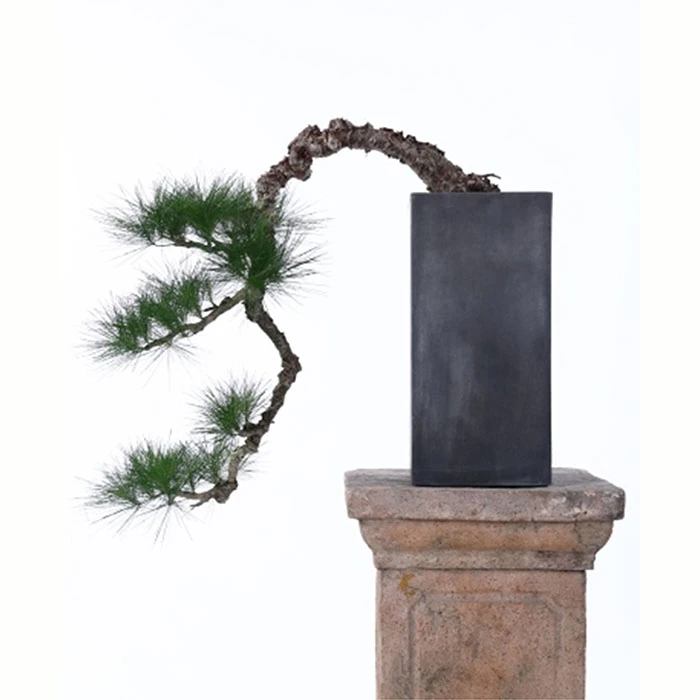
Chinese bonsai are often characterized by their unique shapes and styles. To clean an Artificial Chinese Bonsai, follow the general cleaning process outlined above, but pay special attention to the trunk and branches. Use a soft-bristled brush to remove any dirt or debris from the surface of the trunk, and be careful not to damage any of the delicate branches.
Artificial European Bonsai
European bonsai are typically more robust and less delicate than Japanese and Chinese bonsai. To clean an Artificial European Bonsai, follow the general cleaning process outlined above, but you may be able to use a slightly more abrasive brush or cloth to remove stubborn dirt and grime. However, be careful not to scratch the surface of the artificial bonsai.
Tips for Maintaining Your Artificial Bonsai
In addition to regular cleaning, there are several things you can do to maintain the appearance of your artificial bonsai:
- Avoid Direct Sunlight: Direct sunlight can cause the colors of the artificial bonsai to fade over time. Place your artificial bonsai in a location where it will receive indirect sunlight or artificial light.
- Keep Away from Heat Sources: Heat sources, such as radiators and fireplaces, can cause the materials of the artificial bonsai to warp or melt. Keep your artificial bonsai away from heat sources to prevent damage.
- Dust Regularly: Regular dusting can help prevent dirt and debris from accumulating on the leaves and branches of the artificial bonsai. Use a soft-bristled brush or a microfiber cloth to dust your artificial bonsai at least once a week.
- Store Properly: If you need to store your artificial bonsai for an extended period of time, be sure to store it in a cool, dry place. Wrap the artificial bonsai in a soft cloth or plastic bag to protect it from dust and damage.
Conclusion
Cleaning and maintaining your artificial bonsai is an important part of ensuring its longevity and beauty. By following the tips and techniques outlined in this blog post, you can keep your artificial bonsai looking as good as new for years to come. As a supplier of high-quality artificial bonsai, I am committed to providing my customers with the best products and services. If you have any questions or need further assistance with cleaning or maintaining your artificial bonsai, please don't hesitate to contact me. I would be happy to help you with your purchase and answer any questions you may have. Whether you're looking for an Artificial Japanese Bonsai, an Artificial Chinese Bonsai, or an Artificial European Bonsai, I have a wide selection of options to choose from. Let's start a conversation about your needs and find the perfect artificial bonsai for your space.
References
- "Artificial Plants: Care and Maintenance Guide." Gardening Know How.
- "How to Clean Artificial Flowers and Plants." The Spruce.
