

Hey there! As a supplier of Artificial Chinese Bonsai, I've had the pleasure of seeing how these beautiful creations can transform spaces and create a harmonious atmosphere. In this blog, I'll share some tips on how you can use our Artificial Chinese Bonsai to achieve that serene and balanced vibe in your home or workspace.
First off, let's talk about what makes a harmonious atmosphere. It's all about creating a sense of balance, tranquility, and beauty. Chinese bonsai, whether real or artificial, have long been associated with these qualities. They represent the art of patience, precision, and the harmony between nature and humanity. With our artificial versions, you get all the aesthetic benefits without the hassle of maintenance.
Placement is Key
The first step in creating a harmonious atmosphere with artificial Chinese bonsai is finding the right spot for them. Think about the flow of energy in a room, often referred to as "qi" in Chinese culture. You want to place your bonsai in an area where it can enhance the positive energy and create a sense of calm.
For instance, in a living room, you might place a bonsai on a side table near a window. The natural light will not only showcase the beauty of the bonsai but also create a connection between the indoor and outdoor spaces. The gentle rustling of the artificial leaves in the breeze (even if it's just the air from a fan) can add to the peaceful ambiance.
In a workspace, a small bonsai on your desk can be a great way to reduce stress and increase focus. It provides a visual break from the screen and a reminder of the beauty of nature. Just make sure it's not blocking your view or getting in the way of your work.
Pairing with Other Elements
Another way to create a harmonious atmosphere is to pair your artificial Chinese bonsai with other elements that complement its style and energy. For example, you can place it on a wooden stand or a ceramic tray to add a touch of natural warmth. You might also consider adding some small stones or pebbles around the base of the bonsai to mimic the look of a natural landscape.
If you have a minimalist style, you could keep the surrounding area simple and let the bonsai be the focal point. On the other hand, if you prefer a more eclectic look, you can pair it with other decorative items such as candles, incense holders, or small figurines. Just make sure that the overall look is balanced and not too cluttered.
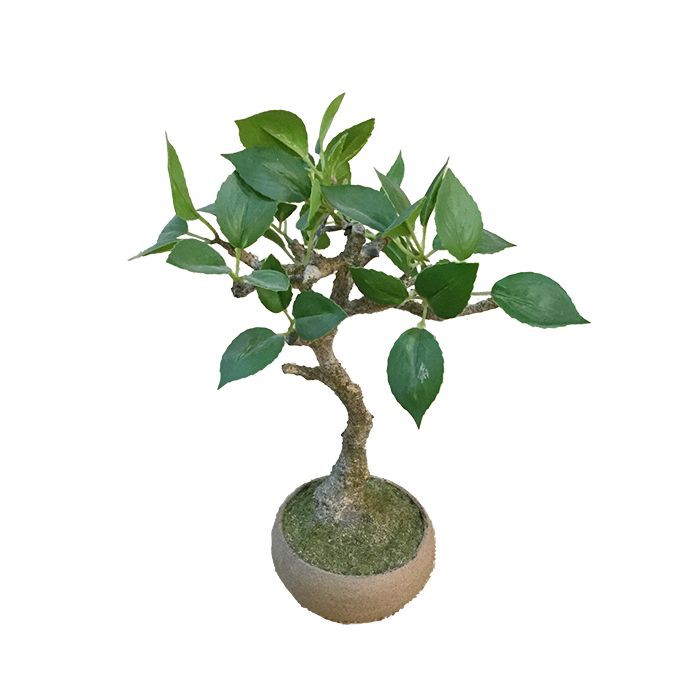

Choosing the Right Bonsai
Not all artificial Chinese bonsai are created equal, and choosing the right one for your space is crucial. Consider the size, shape, and color of the bonsai in relation to the room. A large, bushy bonsai might be overwhelming in a small space, while a tiny, delicate one might get lost in a large room.
You also want to pay attention to the style of the bonsai. There are different styles in Chinese bonsai, such as the formal upright style, the slanting style, and the cascade style. Each style has its own unique personality and can evoke different emotions. For a more traditional and formal atmosphere, you might choose a formal upright bonsai. If you want a more dynamic and free-spirited look, a cascade style could be a better option.
Lighting
Lighting plays a huge role in creating a harmonious atmosphere. As mentioned earlier, natural light is great for showcasing the beauty of the bonsai, but you can also use artificial lighting to enhance its effect. Soft, warm lighting can create a cozy and inviting atmosphere, while bright, cool lighting can make the bonsai stand out more.
You can use table lamps, floor lamps, or even string lights to illuminate your bonsai. Experiment with different lighting setups to see what works best for your space. For example, you could place a small spotlight on the bonsai to create a dramatic effect, or use a diffused light source to create a more gentle glow.
Using Bonsai in Different Settings
Our artificial Chinese bonsai are versatile and can be used in a variety of settings. For example, if you're setting up a meditation room, a bonsai can be a central element to help you focus and relax. You can place it on a low table in the middle of the room and surround it with cushions and candles.
In a restaurant or a café, artificial bonsai can add a touch of elegance and tranquility. You can place them on the tables or in the corners of the room to create a more inviting and peaceful dining experience.
If you're working on a museum display, our Artificial Bonsai for Museum can be a great choice. They can be used to represent different periods and styles of Chinese bonsai art, and their low maintenance requirements make them ideal for long-term displays.
Comparing with Other Bonsai Types
While Chinese bonsai have their own unique charm, you might also be interested in our Artificial European Bonsai. European bonsai often have a different style and aesthetic compared to Chinese bonsai. They tend to be more geometric and formal in shape, with a focus on symmetry and balance.
Depending on your personal taste and the style of your space, you might choose to mix and match different types of bonsai. For example, you could have a Chinese bonsai in the living room and a European bonsai in the study. This can create a more diverse and interesting atmosphere.
Conclusion
Creating a harmonious atmosphere with artificial Chinese bonsai is all about finding the right balance and using them in a way that enhances the beauty and energy of your space. Whether you're looking to add a touch of tranquility to your home, reduce stress in your workspace, or create a unique display in a museum, our artificial Chinese bonsai are a great choice.
If you're interested in purchasing our artificial Chinese bonsai or have any questions about how to use them, feel free to reach out. We're here to help you create the perfect harmonious atmosphere with our beautiful and realistic bonsai.
References
- Chinese Bonsai Art: History and Techniques. By various authors.
- Feng Shui: The Art of Placement. By a well - known feng shui expert.
