

Making artificial flower petals is a fascinating and rewarding process, especially when you're in the business of supplying artificial flowers. As an established artificial flowers supplier, I've had the privilege of mastering the art of creating these delicate petals that mimic the beauty of real flowers. In this blog post, I'll share with you the step - by - step guide on how to make artificial flower petals, from the selection of materials to the final touches.
Material Selection
The first and most crucial step in making artificial flower petals is choosing the right materials. The quality of your materials will significantly impact the appearance and durability of the petals.
-
Fabric: One of the most commonly used materials for artificial flower petals is fabric. Satin, silk, and organza are popular choices due to their softness, sheen, and ability to drape well. Satin offers a smooth and shiny finish, making it ideal for creating elegant and formal flower petals. Silk, on the other hand, has a natural luster and a more luxurious feel. Organza is lightweight and sheer, giving petals a delicate and airy look. You can find these fabrics in a wide range of colors at your local fabric store or online.
-
Paper: Paper is another versatile material for making artificial flower petals. Crepe paper, tissue paper, and cardstock are all suitable options. Crepe paper is soft and pliable, allowing you to create petals with a natural, wrinkled texture. Tissue paper is extremely thin and lightweight, making it perfect for creating delicate and dainty petals. Cardstock is sturdier and can be used to create more structured petals. For more variety in your paper - based artificial flowers, you can explore our Color Series Artificial Flowers.
-
Plastic: Plastic materials such as polyester film, PVC, and EVA foam can also be used to make artificial flower petals. Polyester film is thin, flexible, and has a shiny surface, similar to real flower petals. PVC is more durable and can be molded into different shapes. EVA foam is soft and lightweight, and it can be easily cut and shaped.
Tools You'll Need
Before you start making the petals, gather the following tools:
- Scissors: A good pair of sharp scissors is essential for cutting the fabric, paper, or plastic into the desired shape.
- Glue: Depending on the material you're using, you'll need an appropriate glue. For fabric, fabric glue is recommended. For paper, craft glue or double - sided tape can be used. For plastic, a strong adhesive like epoxy glue may be necessary.
- Pliers: Pliers can be useful for bending and shaping wire, which is often used to create the structure of the petals.
- Templates: You can create or print out templates of different petal shapes to ensure consistency in your designs. Templates can be made from cardboard or paper.
Designing the Petals
The shape and size of the petals will depend on the type of flower you're trying to replicate. Here are some common petal shapes and how to create them:
- Teardrop Shape: This is one of the most basic petal shapes. To create a teardrop - shaped petal, draw a teardrop on your chosen material using a pencil or a template. Then, carefully cut it out with scissors. You can make the teardrop more realistic by adding some curves and tapering the end.
- Oval Shape: An oval - shaped petal is also quite common. Draw an oval on the material and cut it out. You can vary the length and width of the oval to create different types of petals.
- Ruffled Shape: To create ruffled petals, start with a rectangular piece of fabric or paper. Gather one end of the rectangle using a running stitch and pull the thread to create a ruffle. Then, shape the ruffled piece into a petal shape and secure it with glue.
Adding Color and Texture
To make the artificial flower petals look more realistic, you can add color and texture.

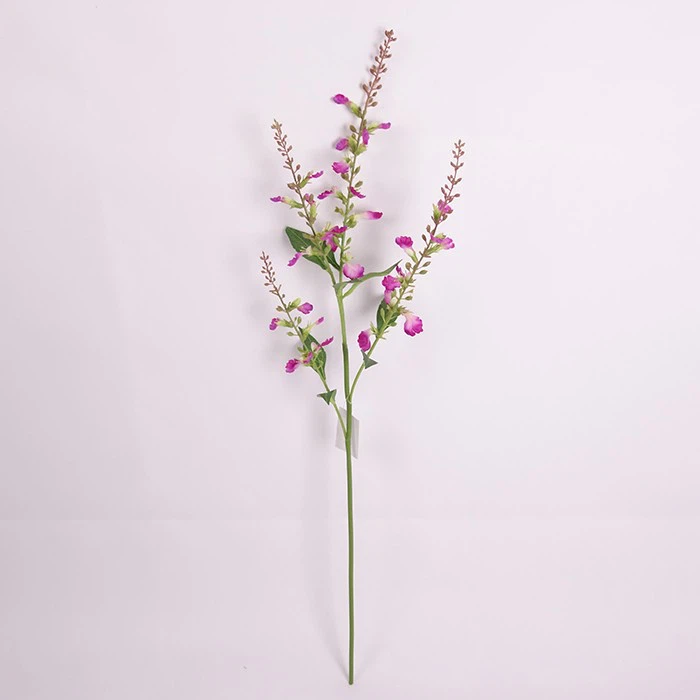
- Painting: You can use fabric paints, acrylic paints, or spray paints to add color to the petals. For a more natural look, you can use a dry - brushing technique to add highlights and shadows. For example, if you're making rose petals, you can use a light pink paint for the highlights and a darker pink for the shadows.
- Printing: Some suppliers offer printed fabrics or papers with flower petal patterns. You can also use a printer to print your own designs on fabric or paper. This is a great way to create unique and detailed petals.
- Embossing and Debossing: Using an embossing tool or a heat - embossing powder, you can add texture to the petals. Embossing creates a raised pattern on the surface of the material, while debossing creates a depressed pattern.
Assembling the Petals
Once you've created and decorated the individual petals, it's time to assemble them into a flower.
- Using a Stem: You can use a wire or a wooden stick as a stem. Attach the petals to the stem using glue or wire. Start by attaching the largest petals at the base of the stem and then layer the smaller petals on top.
- Creating a Cluster: For some types of flowers, you may want to create a cluster of petals. Glue the petals together at the base to form a cluster, and then attach the cluster to the stem.
Quality Control
As an artificial flowers supplier, quality control is of utmost importance. Before packaging and selling your artificial flower petals, make sure to inspect them carefully. Check for any loose petals, uneven coloring, or rough edges. If you find any defects, make the necessary repairs or discard the faulty petals.
Offering a Variety of Products
In addition to creating artificial flower petals, we also offer a wide range of artificial flower products. Our Artificial Blossom Branches are perfect for adding a touch of nature to any space. They come in different colors and styles, making them suitable for various decorative purposes. Our Artificial Wild Flowers are also a popular choice, offering a more rustic and natural look.
Conclusion
Making artificial flower petals is a creative and fulfilling process. By following these steps, you can create high - quality artificial flower petals that are both beautiful and durable. As an artificial flowers supplier, we're committed to providing our customers with the best products and services. If you're interested in purchasing our artificial flower petals or other artificial flower products, we invite you to contact us for a procurement discussion. We look forward to working with you to meet your artificial flower needs.
References
- "The Art of Making Artificial Flowers" by Jane Smith
- "Crafting with Fabric and Paper" by John Doe
- Online resources from craft supply stores and artificial flower manufacturers.
