

As a supplier of Artificial Chinese Bonsai, I've spent a significant amount of time promoting the beauty and convenience of these products. However, it's essential to present a balanced view. While artificial Chinese bonsais offer numerous advantages, they also come with certain disadvantages that potential buyers should be aware of.
Lack of Authenticity and Natural Growth
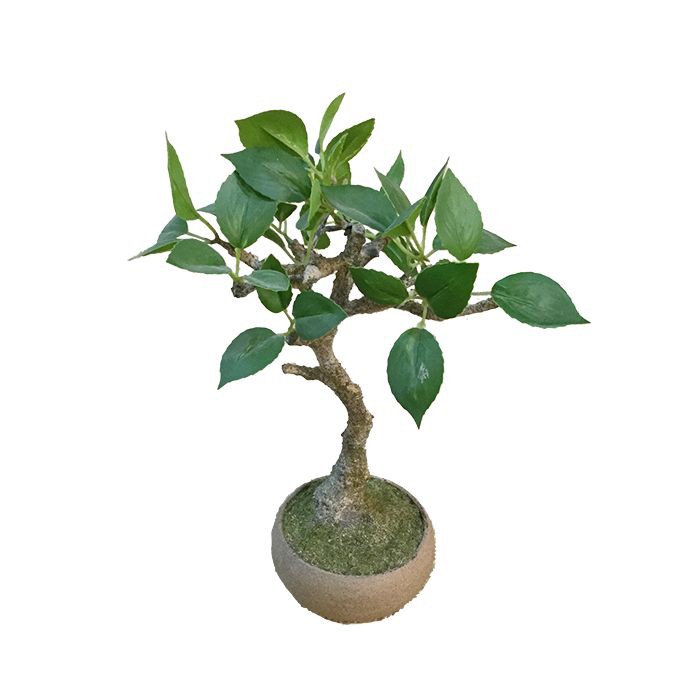
One of the most prominent drawbacks of artificial Chinese bonsais is the lack of authenticity. A real bonsai is a living, breathing work of art that evolves over time. Each twist of the trunk, every new set of leaves, and the overall shape of the tree are a result of careful cultivation, pruning, and the influence of natural elements. In contrast, artificial bonsais are static. They maintain the same appearance from the moment you purchase them until you decide to discard them.
The process of growing a real Chinese bonsai is a labor - of - love that can span decades. It involves understanding the tree's species, its growth patterns, and how to manipulate them to achieve the desired aesthetic. The art of bonsai is deeply rooted in Chinese culture, with historical and spiritual significance. When you opt for an artificial bonsai, you miss out on the opportunity to engage with this rich cultural heritage and the rewarding experience of nurturing a living plant.
Limited Aesthetic Appeal Over Time
Although artificial Chinese bonsais are designed to look realistic, they often fail to capture the subtle nuances and natural beauty of real bonsais. Real bonsais change with the seasons. In spring, they burst with fresh green leaves and colorful blossoms; in autumn, their foliage turns vibrant shades of red, orange, and yellow. These seasonal transformations add a dynamic and ever - changing element to the bonsai's aesthetic.
Artificial bonsais, on the other hand, have a fixed appearance. Over time, the colors may fade, especially if they are exposed to direct sunlight. The materials used to create the leaves and branches can also become brittle and start to show signs of wear and tear. This degradation can make the artificial bonsai look less appealing and less realistic, detracting from its initial allure.
Environmental Impact
The production of artificial Chinese bonsais typically involves the use of synthetic materials such as plastic, resin, and polyester. These materials are derived from non - renewable resources, mainly petroleum. The extraction and processing of petroleum have a significant environmental impact, including habitat destruction, water pollution, and greenhouse gas emissions.
Moreover, artificial bonsais are not biodegradable. Once they reach the end of their lifespan, they end up in landfills, where they can take hundreds of years to decompose. In contrast, real bonsais are part of the natural ecosystem. They absorb carbon dioxide, release oxygen, and provide habitat for small insects and microorganisms. By choosing an artificial bonsai, you contribute to the growing problem of plastic waste and the depletion of natural resources.
Higher Long - Term Costs
While artificial Chinese bonsais may seem like a cost - effective option upfront, they can be more expensive in the long run. Real bonsais, once purchased, require only basic care such as watering, fertilizing, and pruning. These costs are relatively low and can be easily managed over time.
In contrast, artificial bonsais may need to be replaced periodically due to fading, damage, or changes in style preferences. Additionally, high - quality artificial bonsais can be quite expensive to purchase initially. When you factor in the cost of replacement and the lack of resale value, the long - term cost of owning an artificial bonsai can be significantly higher than that of a real one.
Lack of Health Benefits
Real plants, including bonsais, offer several health benefits. They help to purify the air by removing harmful pollutants such as formaldehyde, benzene, and trichloroethylene. These pollutants are commonly found in indoor environments and can cause a variety of health problems, including respiratory issues, headaches, and allergies.

In addition, being around plants has been shown to reduce stress, improve mood, and increase productivity. The act of caring for a living plant can also provide a sense of purpose and connection to nature. Artificial Chinese bonsais, however, do not offer these health benefits. They are simply decorative objects that do not contribute to a healthier indoor environment.
Comparison with Other Types of Bonsais
When considering artificial bonsais, it's also important to compare them with other types of artificial bonsais, such as Artificial Japanese Bonsai. Japanese bonsais have their own unique style and cultural significance, which may be more appealing to some buyers. Similarly, Artificial Bonsai for Home may be designed with different aesthetics and features to suit indoor living spaces.
While artificial Chinese bonsais are known for their distinct Chinese - inspired designs, the limited authenticity and other drawbacks mentioned above may make other types of artificial bonsais or real bonsais a more attractive option for some consumers.
Conclusion and Call to Action
Despite these disadvantages, artificial Chinese bonsais still have their place in the market. They are a convenient option for those who lack the time, experience, or suitable environment to care for real bonsais. They can also be a great choice for temporary decorations or in situations where real plants are not allowed.
If you're still interested in exploring the world of Artificial Chinese Bonsai, I encourage you to contact me for more information. I can provide detailed product specifications, pricing, and answer any questions you may have. Whether you're a retailer looking to stock our products or an individual interested in adding a touch of Chinese elegance to your home or office, I'm here to assist you in making an informed decision.
References
- "The Art of Bonsai: A Comprehensive Guide" - Author unknown
- "Environmental Impact of Synthetic Materials" - Journal of Environmental Science and Technology
- "Health Benefits of Indoor Plants" - American Journal of Public Health
