

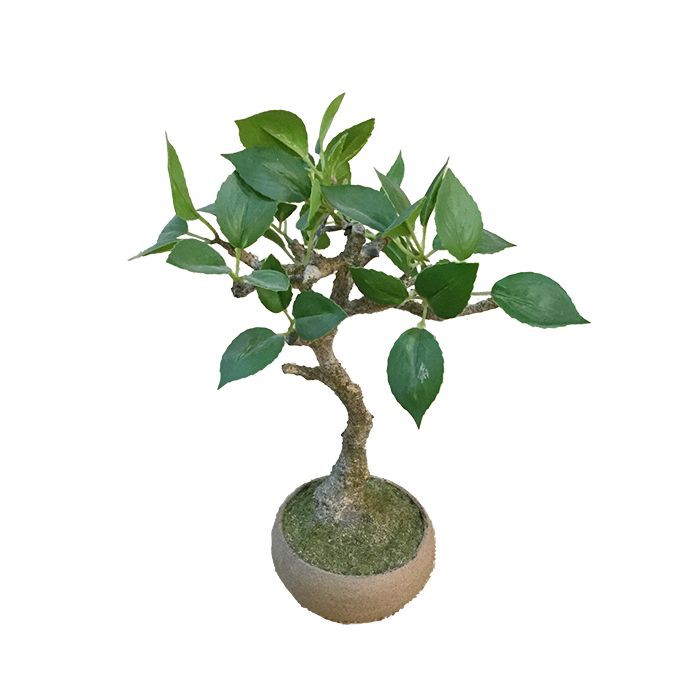
As a supplier of Artificial Chinese Bonsai, I understand the importance of shipping these delicate and beautiful items safely and efficiently. Shipping an artificial Chinese bonsai requires careful planning and consideration to ensure that it arrives at its destination in perfect condition. In this blog post, I will share the best ways to ship an artificial Chinese bonsai, taking into account factors such as packaging, shipping methods, and insurance.
Packaging the Artificial Chinese Bonsai
The first step in shipping an artificial Chinese bonsai is to ensure that it is properly packaged. This is crucial to prevent any damage during transit. Here are some tips on how to package your bonsai effectively:
- Select the Right Box: Choose a box that is slightly larger than the bonsai to allow for some cushioning material. Make sure the box is sturdy and in good condition.
- Use Protective Padding: Line the bottom of the box with a thick layer of protective padding, such as bubble wrap, foam peanuts, or shredded paper. This will help absorb any shocks during shipping.
- Secure the Bonsai: Place the artificial Chinese bonsai in the center of the box and surround it with additional padding to keep it in place. You can use more bubble wrap or foam inserts to create a snug fit.
- Protect the Branches and Leaves: If the bonsai has delicate branches or leaves, wrap them individually with soft tissue paper or bubble wrap to prevent them from breaking or bending.
- Seal the Box: Once the bonsai is securely packed, seal the box with strong packing tape. Make sure all the edges are well-sealed to prevent the box from opening during transit.
Choosing the Right Shipping Method
The next step is to choose the right shipping method for your artificial Chinese bonsai. There are several options available, each with its own advantages and disadvantages. Here are some factors to consider when choosing a shipping method:
- Speed of Delivery: If your customer needs the bonsai quickly, you may want to choose an expedited shipping service. However, keep in mind that expedited shipping can be more expensive.
- Cost: Shipping costs can vary depending on the size, weight, and destination of the package. Compare the rates of different shipping carriers to find the most cost-effective option.
- Insurance: It is important to insure your package to protect against any damage or loss during transit. Most shipping carriers offer insurance options that you can add to your shipment.
- Tracking: Look for a shipping carrier that provides tracking information so you and your customer can monitor the progress of the shipment.
Some popular shipping methods for artificial Chinese bonsai include:
- USPS: The United States Postal Service offers a range of shipping options, including Priority Mail and Express Mail. USPS is known for its affordable rates and reliable service.
- FedEx: FedEx is a well-known shipping carrier that offers fast and reliable delivery services. They also provide insurance and tracking options.
- UPS: UPS is another popular shipping carrier that offers a variety of shipping options, including ground, air, and international shipping. They also have a reputation for excellent customer service.
Insurance and Tracking
As mentioned earlier, it is important to insure your package to protect against any damage or loss during transit. Most shipping carriers offer insurance options that you can add to your shipment. The cost of insurance will depend on the value of the package.
In addition to insurance, it is also a good idea to choose a shipping method that provides tracking information. This will allow you and your customer to monitor the progress of the shipment and ensure that it arrives at its destination on time.
International Shipping
If you are shipping an artificial Chinese bonsai internationally, there are some additional considerations to keep in mind. Here are some tips for international shipping:
- Customs Regulations: Each country has its own customs regulations, so it is important to research the regulations of the destination country before shipping your bonsai. You may need to provide additional documentation, such as a certificate of origin or a phytosanitary certificate.
- Shipping Restrictions: Some countries have restrictions on the import of certain types of plants or plant products. Make sure your artificial Chinese bonsai complies with the regulations of the destination country.
- Shipping Costs: International shipping can be more expensive than domestic shipping, so make sure you factor in the cost of shipping when pricing your bonsai.
Tips for a Successful Shipment
Here are some additional tips to ensure a successful shipment of your artificial Chinese bonsai:

- Label the Package Clearly: Make sure the shipping label includes the recipient's address, your return address, and a clear description of the contents of the package.
- Take Photos of the Bonsai: Before shipping the bonsai, take photos of it from different angles. This will serve as evidence in case of any damage or disputes.
- Notify the Customer: Once the bonsai has been shipped, notify the customer of the tracking number and estimated delivery date. This will help them track the shipment and be prepared to receive it.
Conclusion
Shipping an artificial Chinese bonsai requires careful planning and attention to detail. By following the tips outlined in this blog post, you can ensure that your bonsai arrives at its destination safely and in perfect condition. Remember to choose the right packaging, shipping method, and insurance, and to provide clear communication with your customer throughout the shipping process.
If you are interested in purchasing Artificial Chinese Bonsai, Artificial European Bonsai, or Artificial Bonsai for Home, please feel free to contact us for more information and to discuss your purchasing needs. We are committed to providing high-quality products and excellent customer service.
References
- Packaging and Shipping Guidelines from major shipping carriers such as USPS, FedEx, and UPS.
- Customs regulations and import requirements of different countries.
