

As a supplier of Artificial Chinese Bonsais, I often encounter inquiries about the differences between these unique creations and other artificial plants. In this blog post, I'll delve into the distinctive features that set Artificial Chinese Bonsais apart from their counterparts, exploring aspects such as cultural significance, design aesthetics, and practical considerations.
Cultural Significance
Artificial Chinese Bonsais carry a rich cultural heritage that dates back thousands of years. Bonsai, which originated in China and later spread to Japan, is not merely a form of horticulture but a profound art that reflects the harmony between man and nature. Chinese bonsai art is deeply rooted in traditional Chinese philosophy, emphasizing the concepts of balance, proportion, and the pursuit of natural beauty. Each bonsai is carefully crafted to mimic the shape and essence of ancient trees found in nature, symbolizing longevity, strength, and resilience.
In contrast, other artificial plants may lack this deep cultural significance. While they can add a touch of greenery to a space, they often do not convey the same sense of history and tradition as Artificial Chinese Bonsais. For example, Artificial European Bonsai may have their own unique aesthetic appeal, but they are typically influenced by European gardening traditions and may not carry the same symbolic meaning as Chinese bonsai.
Design Aesthetics
One of the most striking differences between Artificial Chinese Bonsais and other artificial plants lies in their design aesthetics. Chinese bonsai art is characterized by its meticulous attention to detail and the use of specific techniques to create a sense of age and maturity in the trees. The branches are carefully wired and shaped to mimic the natural growth patterns of ancient trees, while the foliage is pruned to create a balanced and harmonious silhouette.
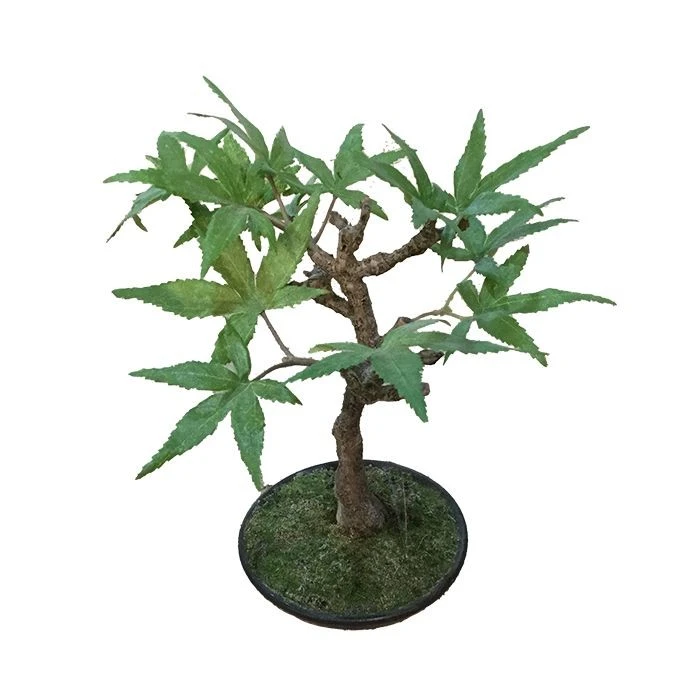
In addition, Artificial Chinese Bonsais often feature unique elements such as gnarled trunks, exposed roots, and intricate bark textures, which add to their realistic and artistic appearance. These details are carefully crafted to replicate the beauty and character of real bonsai trees, making them a visually stunning addition to any space.
On the other hand, other artificial plants may have a more generic or mass-produced appearance. While they may be designed to look realistic, they often lack the intricate details and artistic flair of Artificial Chinese Bonsais. For example, Artificial Japanese Bonsai may have a more minimalist and refined aesthetic, focusing on simplicity and elegance. While both Chinese and Japanese bonsai share some similarities, they have distinct design styles that reflect their respective cultural traditions.

Practical Considerations
In addition to their cultural and aesthetic differences, Artificial Chinese Bonsais also offer several practical advantages over other artificial plants. One of the main benefits is their low maintenance requirements. Unlike real bonsai trees, which require regular watering, pruning, and fertilizing, Artificial Chinese Bonsais only need to be dusted occasionally to keep them looking their best. This makes them an ideal choice for busy individuals or those who do not have a green thumb.
Another advantage of Artificial Chinese Bonsais is their durability. They are made from high-quality materials that are designed to withstand the test of time, making them a long-lasting investment. Unlike real plants, which can be easily damaged by pests, diseases, or environmental factors, Artificial Chinese Bonsais are resistant to these issues and can maintain their beauty for years to come.
Finally, Artificial Chinese Bonsais are a versatile decorative element that can be used in a variety of settings. They can be placed indoors or outdoors, adding a touch of natural beauty to any space. Whether you are looking to enhance the ambiance of your home, office, or commercial establishment, Artificial Bonsai for Home is a perfect choice.
Conclusion
In conclusion, Artificial Chinese Bonsais offer a unique combination of cultural significance, design aesthetics, and practical advantages that set them apart from other artificial plants. Their rich cultural heritage, meticulous design, and low maintenance requirements make them a popular choice for individuals who appreciate the beauty and artistry of bonsai trees.
If you are interested in adding an Artificial Chinese Bonsai to your collection or exploring our range of products, I encourage you to contact us for more information. We would be delighted to assist you in finding the perfect bonsai to suit your needs and preferences. Whether you are a seasoned bonsai enthusiast or a beginner looking to start your collection, we have a wide selection of high-quality Artificial Chinese Bonsais to choose from.
References
- "The Art of Chinese Bonsai" by Peter Chan
- "Bonsai: The Art of Miniature Trees" by John Naka
- "Chinese Bonsai: History, Culture, and Techniques" by Wang Zhengyi
