

What materials are used to make artificial bonsais?
As a supplier of artificial bonsais, I often get asked about the materials used in the creation of these beautiful and long - lasting decorative pieces. Artificial bonsais offer a low - maintenance alternative to real bonsais, allowing people to enjoy the aesthetic appeal of bonsai art without the need for constant care. In this blog post, I'll delve into the various materials that go into making high - quality artificial bonsais.
1. Trunks and Branches
- Plastic Resin
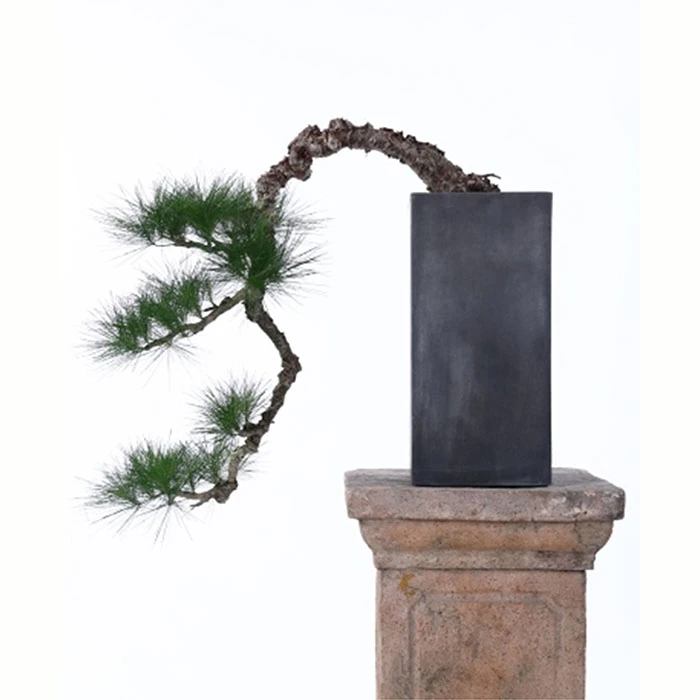
Plastic resin is one of the most commonly used materials for creating the trunks and branches of artificial bonsais. It is a versatile material that can be molded into various shapes and textures to mimic the appearance of real tree trunks. Resin can be made to look like the rough bark of an ancient oak or the smooth, gnarled branches of a pine tree. Manufacturers can add different colors and pigments to the resin during the molding process to achieve a natural - looking finish. For example, they might use a combination of browns and grays to create the appearance of aged wood. - Fiberglass
Fiberglass is another popular choice for the structural parts of artificial bonsais. It is lightweight yet strong, making it ideal for creating large - scale or detailed bonsai models. Fiberglass can be shaped and sculpted to create intricate branch structures and realistic trunk forms. It also has good durability, which means the bonsai can withstand normal handling and environmental conditions without easily breaking or deforming. Additionally, fiberglass can be painted to match the color and texture of real wood, further enhancing its authenticity.
2. Leaves
- Silk
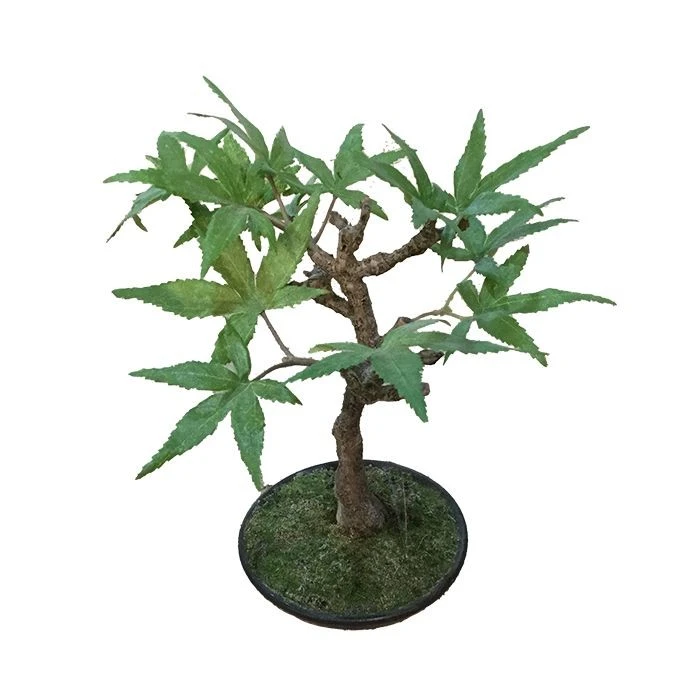
Silk is a classic material for artificial bonsai leaves. It has a soft and natural - looking texture that closely resembles the feel of real leaves. Silk leaves can be dyed in a wide range of colors, from vibrant greens to autumnal hues, allowing for a realistic representation of different seasons. They also have a certain level of flexibility, which means they can move and sway in a natural way, just like real leaves in the wind. Silk leaves are often hand - crafted and attached to the branches using fine wires or threads, ensuring a secure and realistic appearance. - Polyester
Polyester is a more affordable alternative to silk for artificial bonsai leaves. It is a synthetic material that can be manufactured to have a similar appearance and texture to silk. Polyester leaves are durable and resistant to fading, making them suitable for long - term display. They can be mass - produced, which helps to keep the cost of the artificial bonsais down. Many modern artificial bonsais use a combination of silk and polyester leaves to achieve a balance between quality and cost - effectiveness.
3. Soil and Potting
- Artificial Soil
Artificial soil is used to create the base of the artificial bonsai and give it a more realistic look. It is typically made from a combination of materials such as crushed foam, sand, and colored pigments. The crushed foam provides a lightweight and porous base, while the sand adds weight and stability. The colored pigments are used to mimic the color and texture of real soil, such as the rich browns of loamy soil or the reddish tones of clay soil. - Pots
The pots used for artificial bonsais can be made from a variety of materials, including ceramic, plastic, and resin. Ceramic pots are popular for their traditional and elegant appearance. They come in a wide range of shapes, sizes, and colors, and can add a touch of sophistication to the artificial bonsai. Plastic pots are lightweight and inexpensive, making them a practical choice for mass - produced artificial bonsais. Resin pots, on the other hand, can be molded into intricate designs and can mimic the look of more expensive materials such as stone or wood.
4. Additional Decorations
- Moss and Lichens
To enhance the natural look of artificial bonsais, moss and lichens are often added as decorations. These can be made from artificial materials such as felt or synthetic fibers. They are carefully arranged on the soil surface and around the base of the bonsai to create a more realistic and natural - looking environment. Artificial moss and lichens can be dyed to match the color and texture of real ones, adding an extra layer of authenticity to the bonsai. - Rocks and Pebbles
Rocks and pebbles are also commonly used to decorate artificial bonsais. They can be made from various materials, including plastic, resin, and real stones. Plastic and resin rocks can be molded into different shapes and sizes and painted to look like natural stones. Real stones, on the other hand, provide a more authentic and natural look. They are often arranged around the base of the bonsai to create a sense of stability and to mimic the natural habitat of real bonsais.
At our company, we take pride in using high - quality materials to create our artificial bonsais. Whether you're looking for an Artificial Japanese Bonsai, an Artificial European Bonsai, or an Artificial Chinese Bonsai, we have a wide range of options to suit your needs. Our products are designed to be both beautiful and durable, providing you with a long - lasting decorative solution for your home, office, or any other space.
If you're interested in purchasing our artificial bonsais or have any questions about our products, we encourage you to contact us for further discussion. We're always happy to assist you in finding the perfect artificial bonsai for your requirements.
References
- "The Art of Bonsai" by John Naka
- "Bonsai: Techniques and Styles" by Peter Adams
- Various industry reports on artificial plant manufacturing materials
